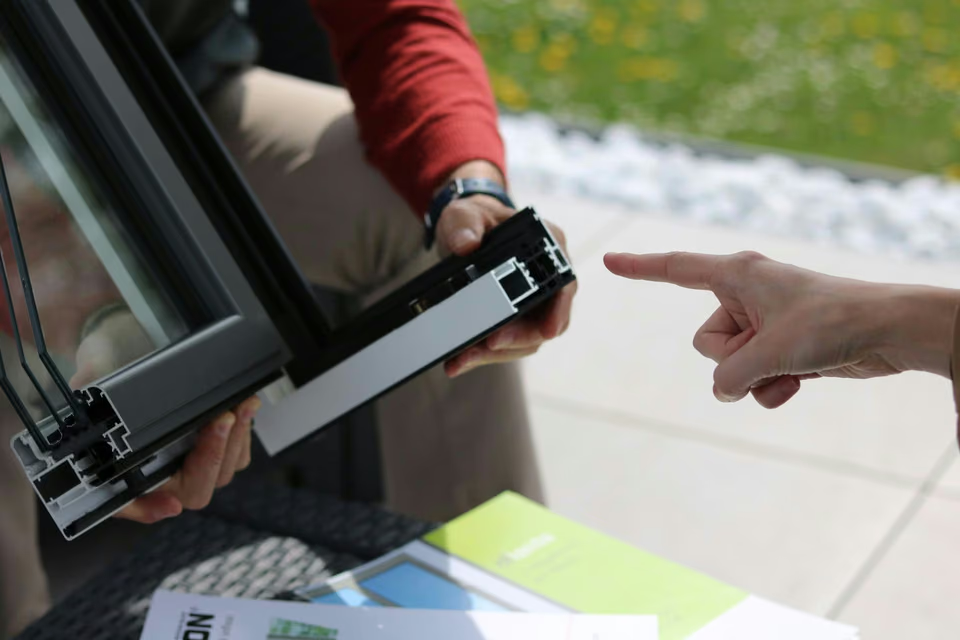
A window can have a high-performance frame, insulating glazing and quality hardware. Yet all these characteristics can be compromised if the installation is not carried out correctly. In practice, home comfort depends not only on the window itself, but also on how it is integrated into the surrounding wall.
The junction between the frame and the building can become a point of air leakage, heat loss or water ingress. Some problems are visible immediately, while others only become apparent after the first cold season or periods of heavy rain.
That is why installation should not be seen as a simple operation that follows window selection. It is an essential technical stage that influences the performance of the entire assembly and the way it functions over the long term.
Good Window Installation Begins Before the Fitting
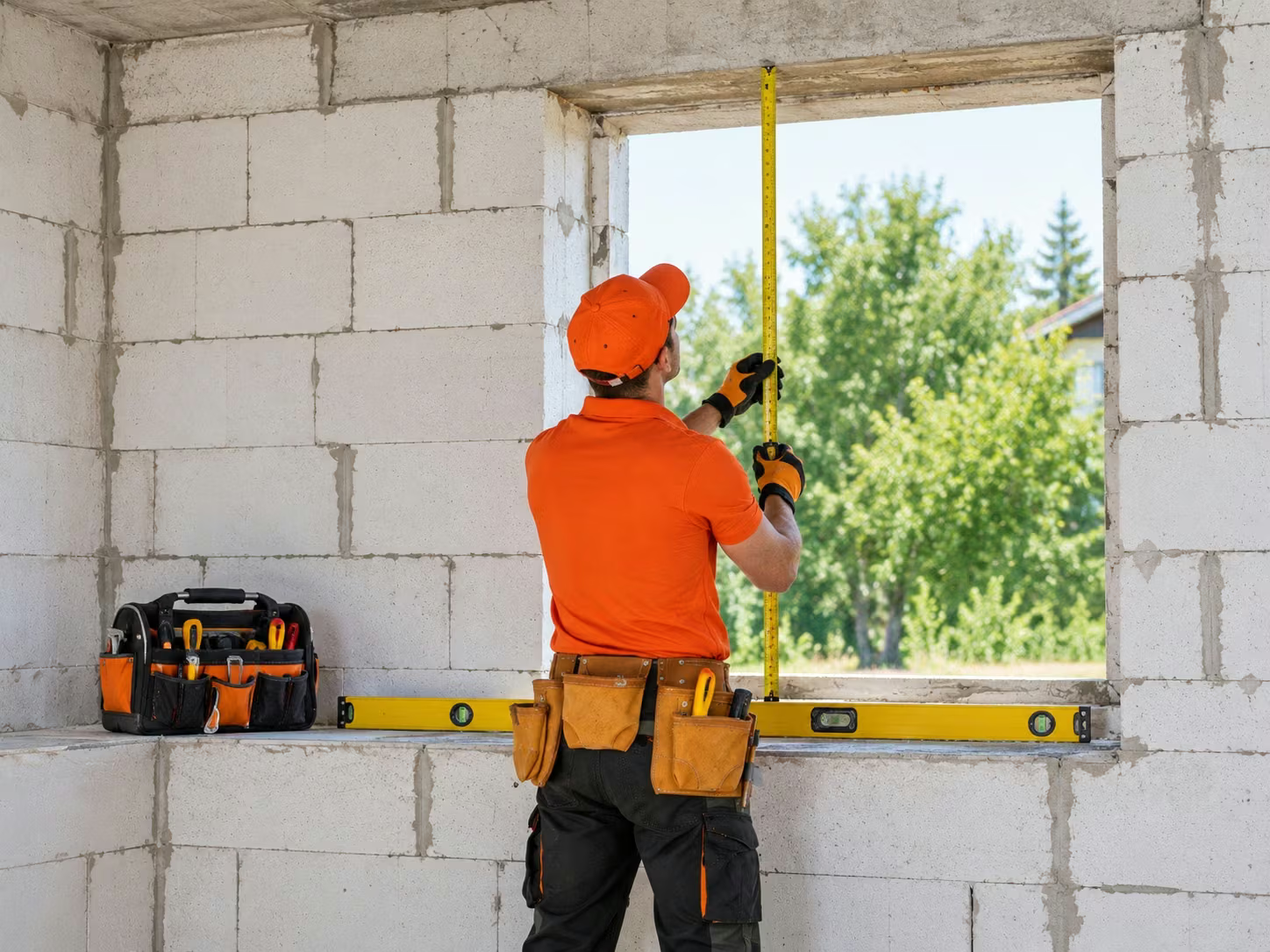
The first step is checking the actual dimensions of the opening. Measurements must account for wall geometry, installation tolerances and the intended mounting solution. An opening that appears straight may have differences in level or alignment that need to be identified before manufacturing and installation.
During installation, the frame must be positioned and secured appropriately. Fixing points, supports and fastening distances are selected according to the system, dimensions, wall material and the loads the window will experience.
An important distinction is the difference between fixing and insulating. Polyurethane foam used to fill the installation joint does not replace the necessary mechanical fixings and structural support. It can contribute to thermal and acoustic insulation, but should not be treated as a universal anchoring method.
For panoramic windows or heavy operable elements, these details become even more important. Proper installation must preserve the geometry of the system and allow its hardware to operate normally.
The Joint Between the Window and Wall Needs Proper Protection
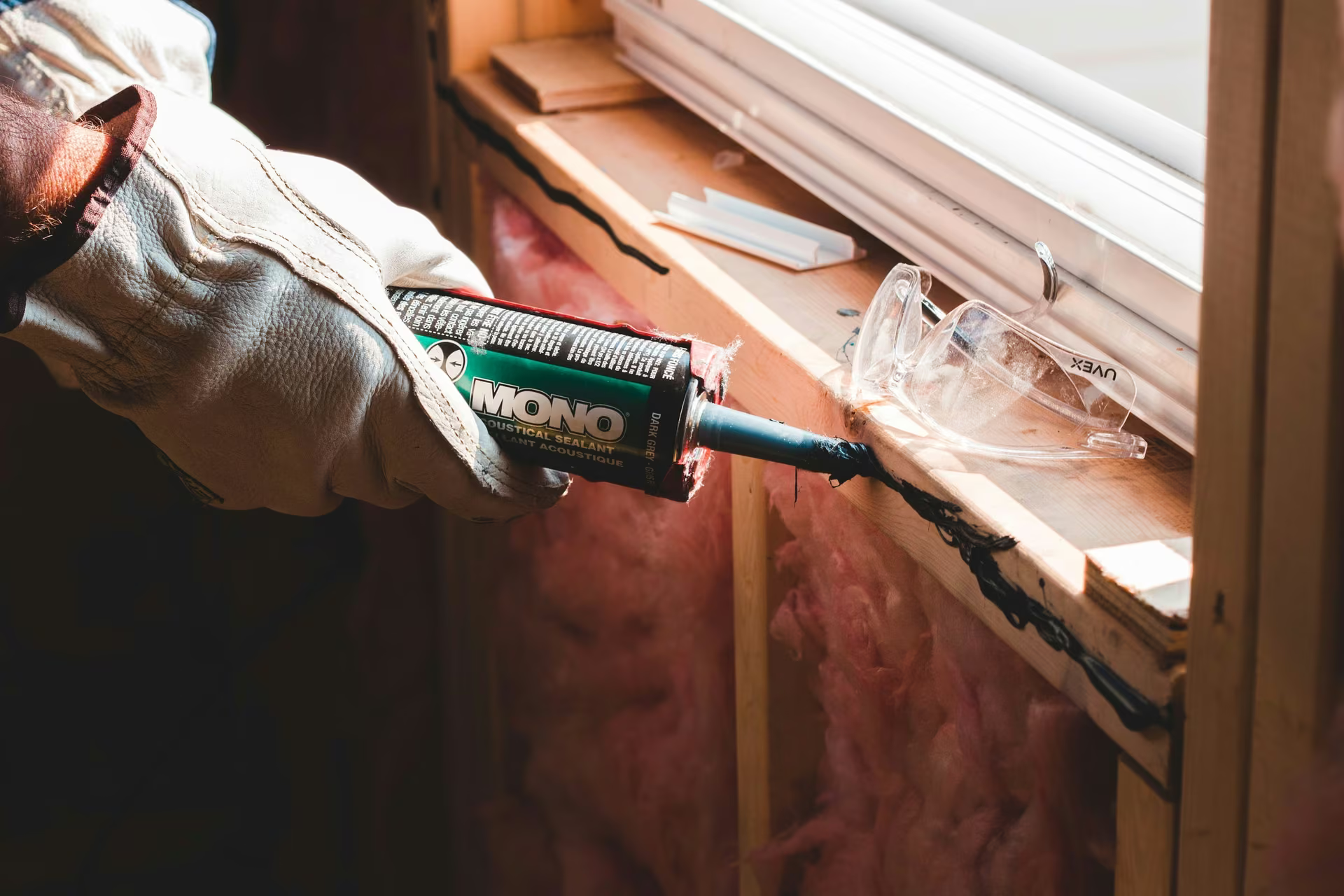
One of the most important parts of installation is the joint between the frame and the wall. Air can pass through an unsealed connection, while moisture can damage the materials surrounding the window. This is why simply filling the gap with foam is not, by itself, a complete protection strategy.
European installation practice commonly applies the principle of several functional sealing levels. On the interior, the aim is to maintain a continuous airtight layer and control moisture vapour entering the joint. The middle zone provides thermal and acoustic insulation. On the exterior, protection against weather is essential while allowing the joint to dry according to the construction design.
These functions can be achieved through membranes, pre-compressed tapes, sealants and compatible insulation products in combinations adapted to the project. No single product or material sequence is suitable for every wall construction.
The goal is a continuous, protected connection that can accommodate normal movement between the window and the building.
Water and Thermal Bridges Can Compromise a Good Window
Installation problems involve more than draughts. If the area beneath a window, its sills or its connection to the facade's weather-protection layer are poorly detailed, water may enter the wall and cause damage that is not immediately visible.
Water protection relies on construction details that direct precipitation outward. Drainage provisions, the slope of the external sill and the integration of sealing materials must be coordinated with the facade design. Drainage openings provided by the window system must not be blocked.
Another concern is a thermal bridge — an area where heat transfers more readily than through the surrounding construction. It can occur near the frame when window positioning and wall insulation are not properly coordinated.
Under certain conditions, these areas may have lower interior surface temperatures, increasing the likelihood of condensation. However, condensation does not automatically prove an installation defect: indoor humidity and ventilation must also be assessed.

How to Check a Window After Installation
For homeowners, a basic inspection begins with operation. The sash should open and close normally without unusual friction, sticking or visible distortion. Hardware should function properly, and the seals should be correctly positioned.
The perimeter also deserves attention: continuous sealing, finished joints, sill connections and possible routes for water ingress. Some installation stages will later be covered by finishes, making photographic documentation useful.
A cold draught near the frame, persistent moisture or difficulty closing the window may indicate a problem requiring investigation. Diagnosis should not rely on a single symptom, as the cause could involve adjustment, the product, ventilation or the surrounding wall construction.
In projects with demanding airtightness requirements, inspections may also include specialised tests. For the homeowner, what matters is a clear handover procedure and a way to address any identified defects.

A High-Performance Window Must Work as Part of the Home
When comparing window quotations, it is natural to consider the frame, glazing, colour and price. But a complete comparison should also include how the windows will be installed.
Before making a decision, clarify who carries out the final measurements, how the window will be fixed, which sealing approach is proposed, how water is managed at the sill and who checks operation after installation. These details reveal a great deal about the quality of the complete solution.
For a new home, installation should be discussed during the design stage, when window positioning and facade details can still be coordinated. During renovation, assessing the condition of existing openings is equally important.
Plastregal can review the project's requirements with the homeowner and discuss suitable window solutions, including the aspects that need to be coordinated for their integration into the building. A well-informed decision is about more than a high-performance product: it is about an assembly designed to work correctly where it is installed.