In a home, natural light is about more than visibility. It changes how we perceive rooms, reveals the character of materials and creates an ongoing connection with the world outside. A large window can transform an ordinary wall into an opening towards the garden, the sky or the surrounding landscape.
That is why generous glazed surfaces have become an important feature of contemporary residential architecture. They are more than a visual statement: they influence how we use the living room, where we choose to read, how a space is illuminated and how closely the interior feels connected to the outdoors.
But more glass does not automatically mean greater comfort. The orientation of the house, window placement, glazing specifications and solar protection determine whether daylight becomes a genuine benefit or a source of overheating and uncomfortable glare.
Natural Light Changes How We Experience a Room
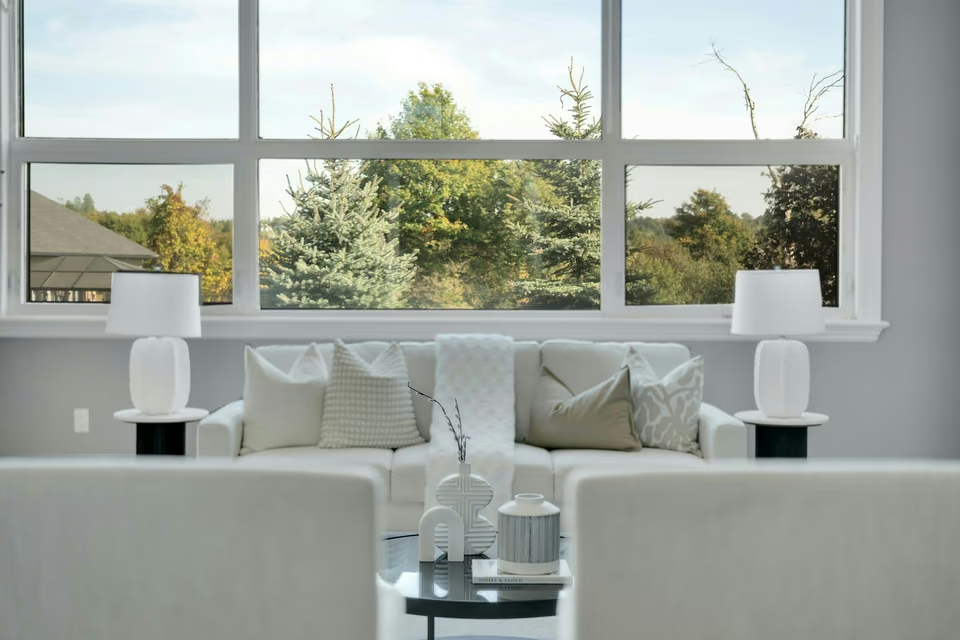
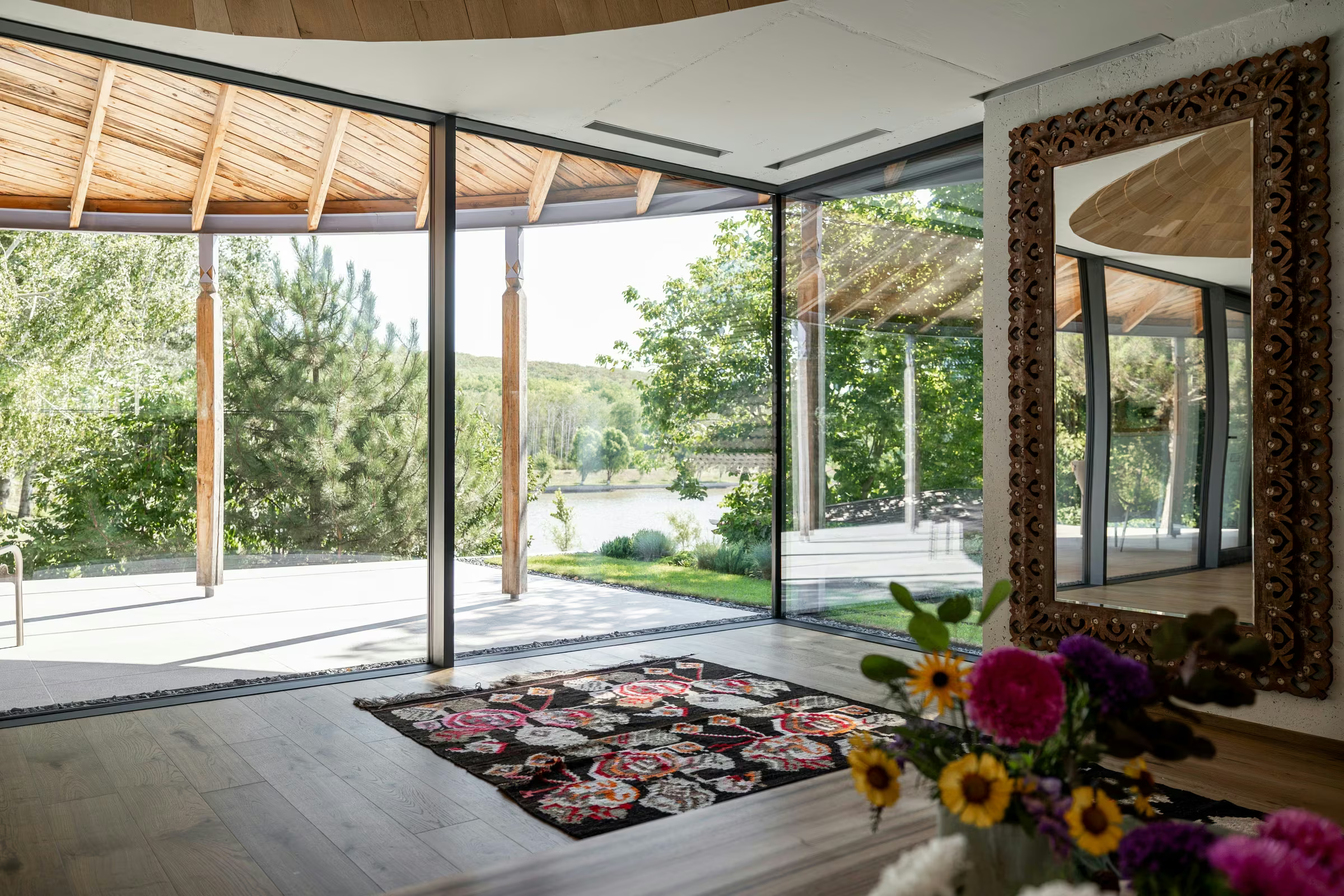
In a room with small windows, the outdoors often remains a framed picture. As the glazed surface grows, the landscape can become part of the interior atmosphere. The actual dimensions of the room remain unchanged, yet it may feel more open and visually connected to the garden or terrace.
Daylight reveals the texture of timber, the surface of stone and the subtle colours of walls. Throughout the day, its intensity and direction change, giving the same room a different atmosphere. Morning light may be soft and diffuse, while afternoon sunlight can create stronger shadows.
There is a practical benefit as well. Good daylight distribution can reduce the need for artificial lighting during certain hours, provided indoor lighting is managed according to the available daylight.
Window area alone is not the whole story, however. Window height, room depth, surrounding obstacles and interior finishes can significantly influence how much daylight actually reaches the space.
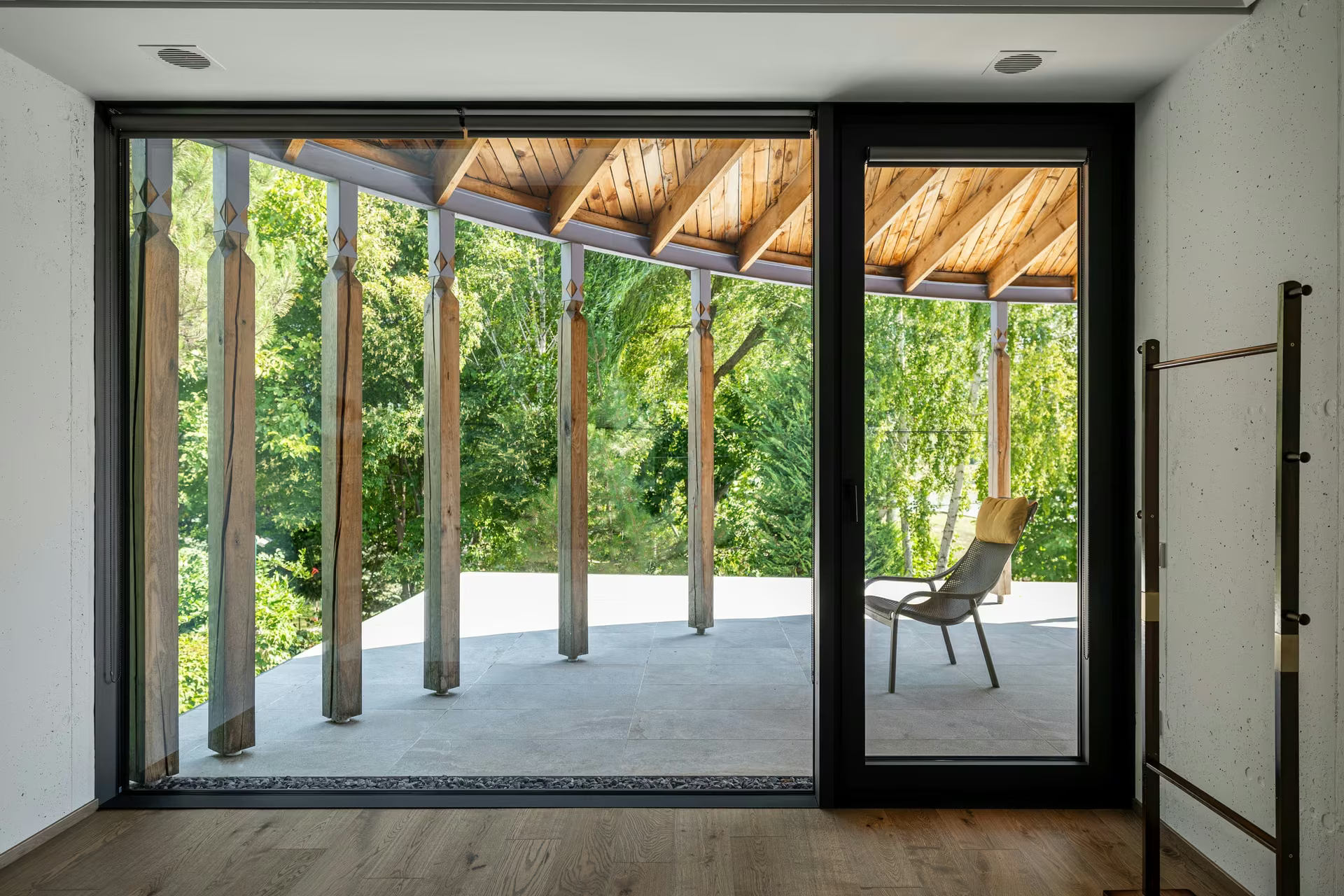
Window Position Matters as Much as Window Size
Two identical windows can create very different experiences when installed on opposite facades. In Moldova, south-facing glazing generally receives more direct sunlight, while north-facing windows tend to provide more diffuse daylight.
East-facing windows receive direct sunlight mainly in the morning. On the west side, sunlight enters later in the day, when outdoor temperatures may already be high. This is why a living room with extensive west-facing glazing may require more careful shading.
The vertical position of the window matters too. A higher window head can help daylight reach further into a room. At the same time, furniture placement, deep window reveals and roof overhangs can change how light is distributed.
When designing a home, window dimensions should not be determined solely by facade symmetry. Orientation, room function and the way the space will be used need to be considered together.
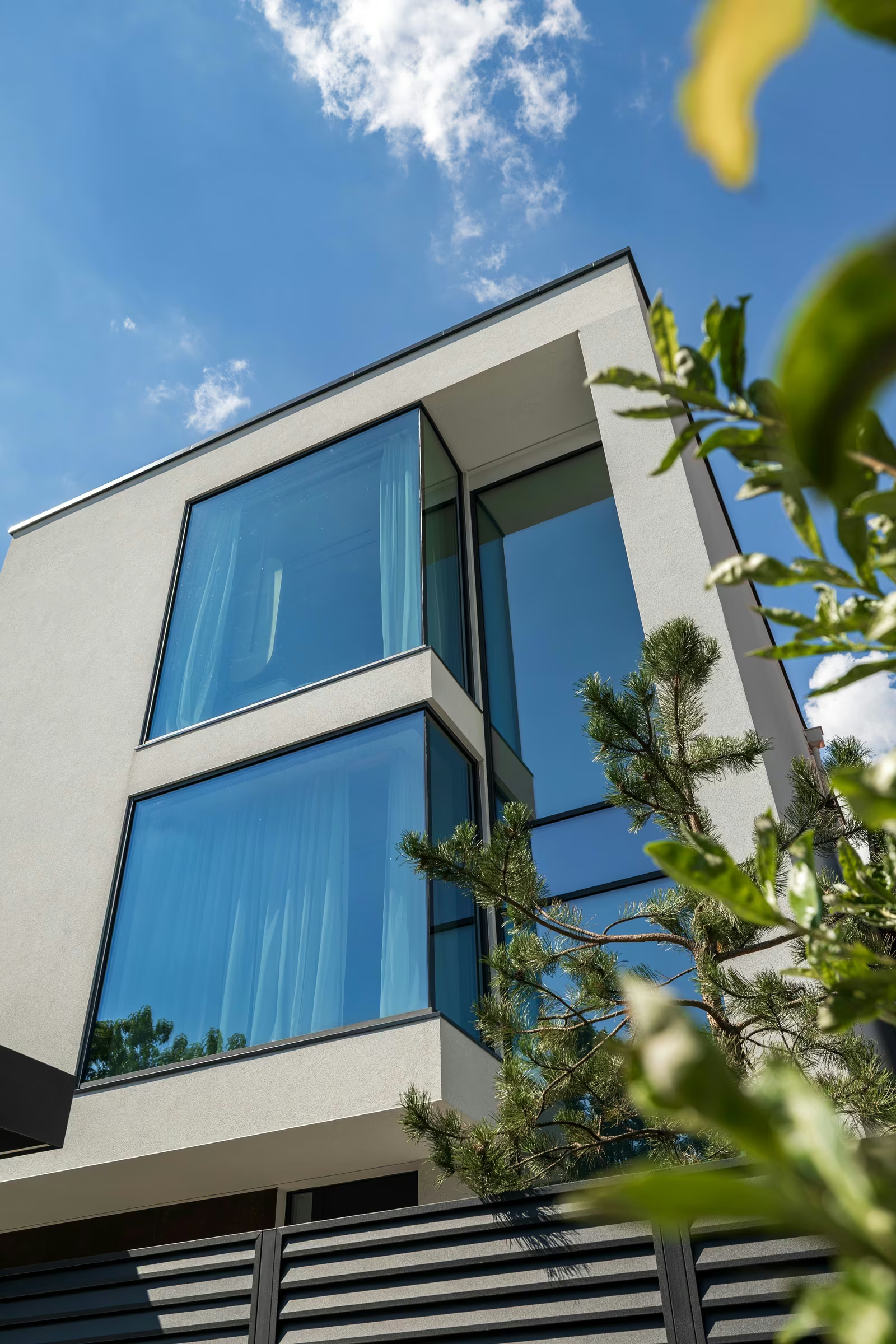
A Bright Room Should Remain Comfortable in Summer
One of the challenges of large windows is controlling solar energy. Generous glazing can bring substantial daylight indoors, but without a suitable strategy it can also contribute to overheating.
That is why glazing specifications need to reflect window orientation. The solar factor, or g-value, describes the proportion of incident solar energy transmitted through the glass, while visible light transmittance indicates how much daylight passes through. These are different properties and should be considered together.
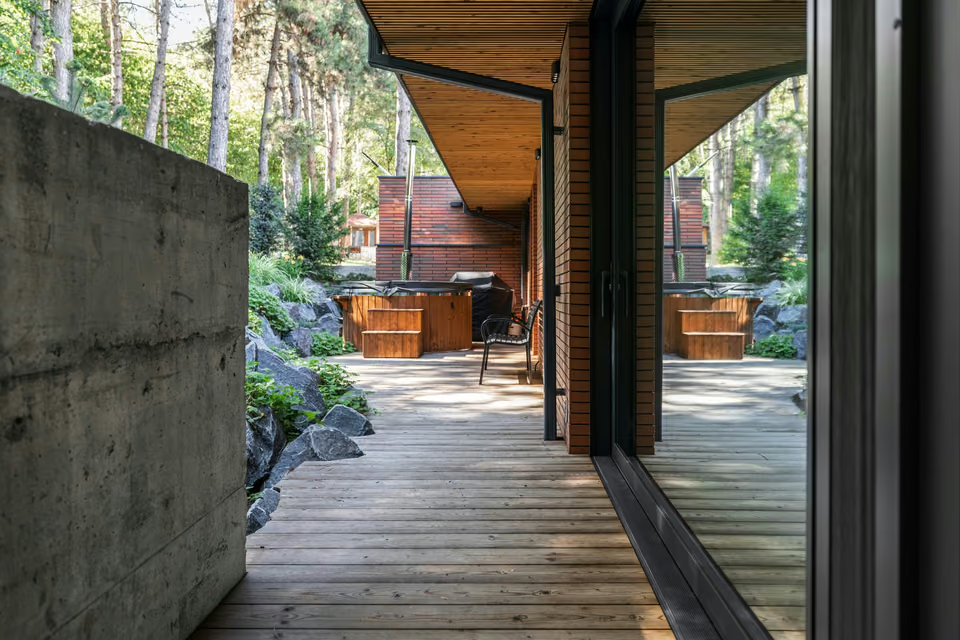
Solar protection can be integrated into the architecture through roof overhangs, pergolas, external louvres or adjustable shading systems. External shading can intercept some of the sun's energy before it passes through the glazing. Interior curtains and blinds help control daylight and privacy, but do not always provide the same level of heat reduction.
For a well-designed home, the aim is not to block the sun altogether. It is to make use of natural light without sacrificing thermal comfort.
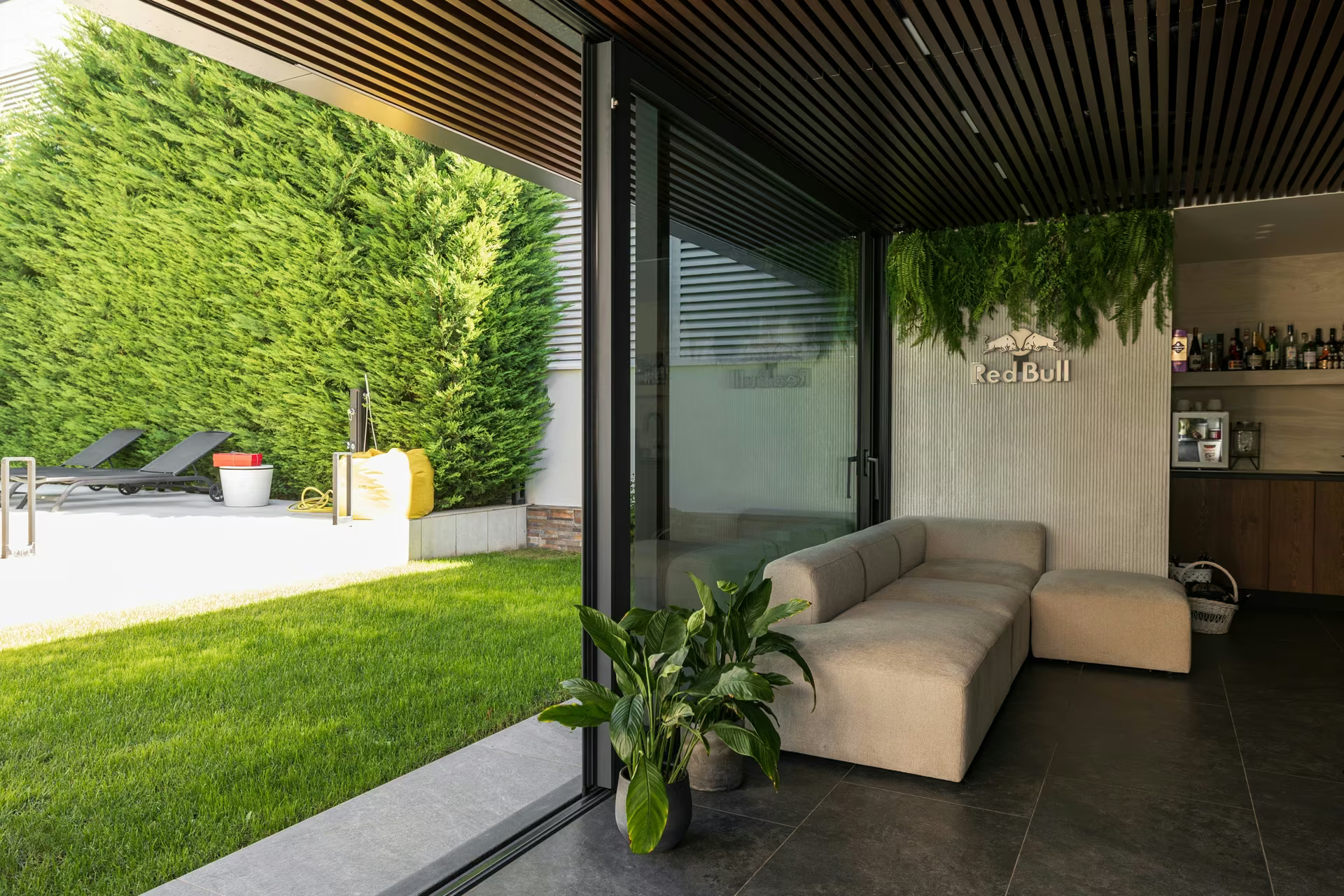
Panoramic Windows Need Systems Designed for Large Openings
A large glazed surface is not simply a conventional window enlarged to a different scale. As dimensions increase, glass weight, frame rigidity, wind resistance, fixing methods and opening possibilities all need to be evaluated.
Some openings can use fixed glazing, providing daylight and views without moving mechanisms. Ventilation or terrace access may require tilt-and-turn elements, sliding systems or other solutions depending on the project. Not every glazed surface needs to open.
Glass must also be selected according to dimensions and conditions of use. Certain positions or configurations may require toughened, laminated or other safety glazing, depending on the applicable requirements.
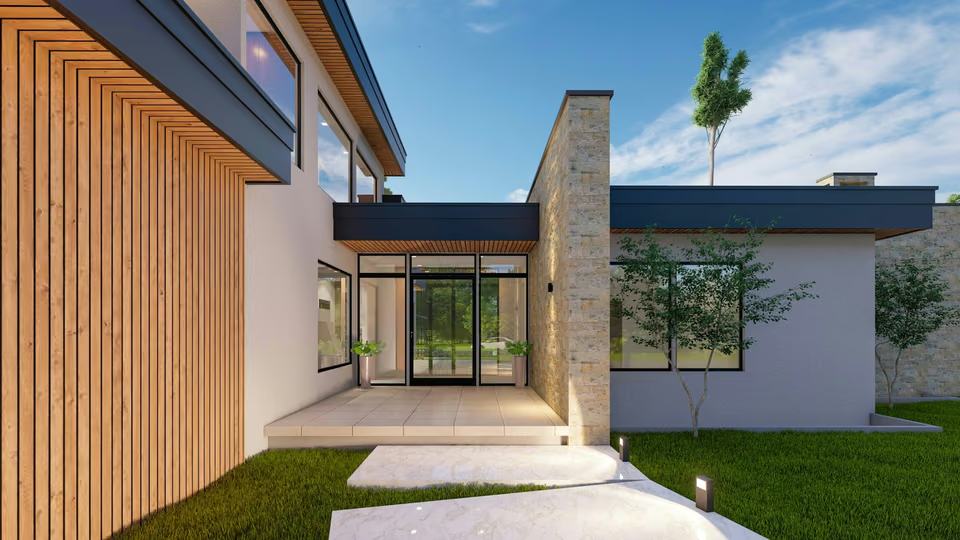
Within Plastregal's residential portfolio, projects such as Casa Moldovanu and Casa Daniela Ciocanu offer visual examples of generous glazing integrated into architecture. Selecting the appropriate system, however, remains a technical decision specific to each opening.
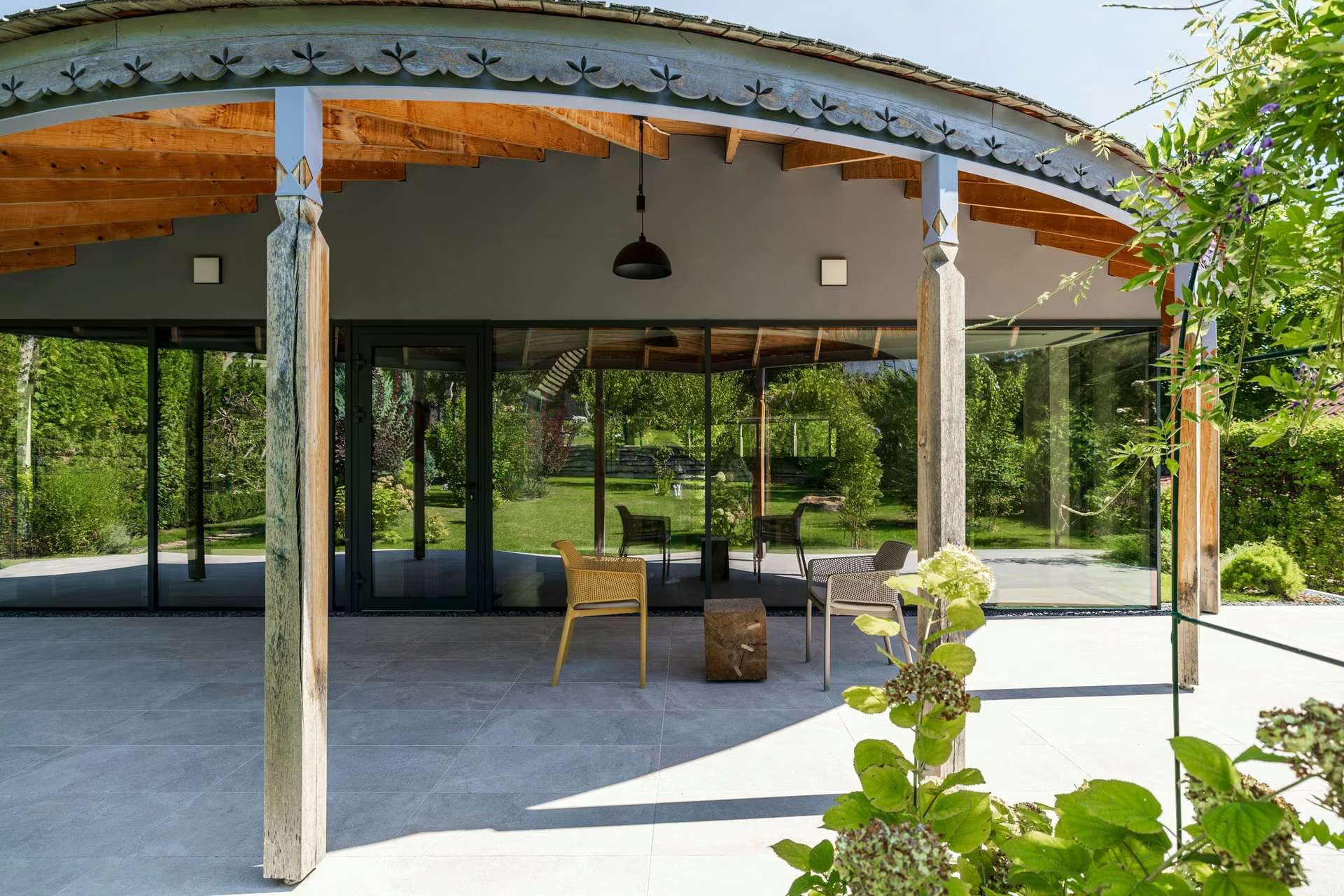
A Home Open to the Outdoors Still Needs Privacy
Transparency brings the landscape closer, but it also changes the relationship between the home and its surroundings. A panoramic window facing a secluded garden offers a different experience from one overlooking the street or a neighbouring house.
Before deciding on dimensions, it is worth assessing where the interior may be visible from outside, including after dark, when interior lighting can make rooms more exposed. Window placement, landscaping, shading elements and curtains can help maintain privacy without giving up daylight.
The way a room is furnished matters too. A reading corner beside the window, a dining table facing the garden or a living room that visually extends towards the terrace can make better use of an opening than simply increasing the amount of glass.
Ultimately, good architecture is not about using as much glass as possible. It is about finding the right relationship between openness, comfort and everyday life.
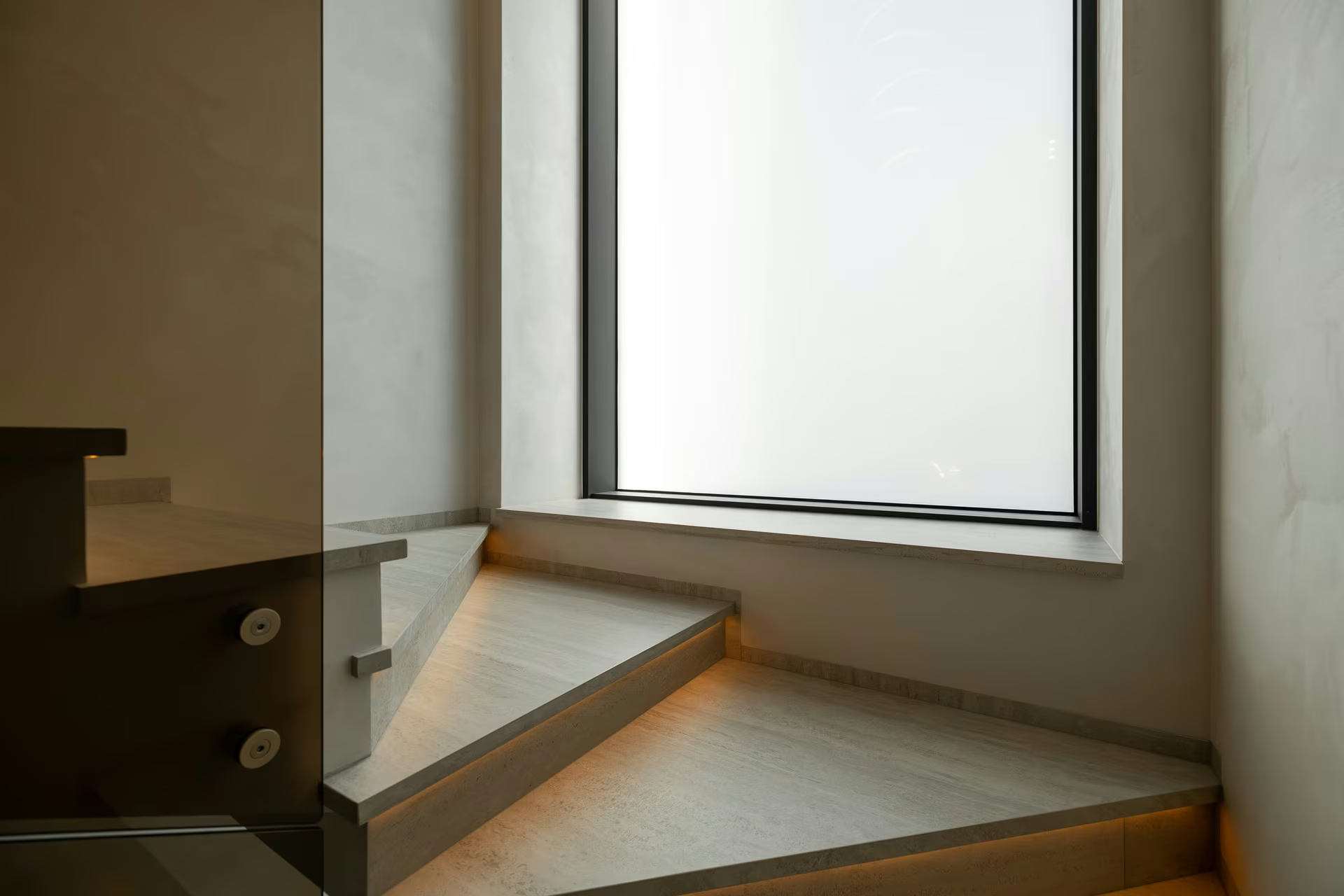
More Natural Light Begins with a Well-Considered Decision
Large windows can make a real difference to a home's architecture, but the result does not depend on their dimensions alone. Orientation, glazing configuration, solar protection, opening type and integration into the building all influence how the space will be experienced.
Before choosing panoramic glazing, several questions are worth answering: where daylight will reach throughout the day, whether shading is needed, how much privacy is required, which dimensions are technically feasible and how ventilation and outdoor access will work.
For Plastregal, reviewing a project can begin with these questions and the architectural plans. The objective is to identify glazing systems suited to the proportions of the home, its comfort requirements and the relationship the homeowner wants to create with the outdoors.
In a thoughtfully designed home, daylight is not just something that enters through a window. It is one of the elements that shapes the way we live.