Two windows may look almost identical while the systems behind them respond to very different needs. PVC and aluminium are among the most widely used materials in modern window construction. Both can provide comfort and performance, but the right choice depends on the type of home, the size of its glazed openings and the homeowner's expectations.
For a house in Moldova, where winters can be cold and summers bring periods of intense heat, thermal insulation is an important consideration. But it is not the only one. Natural light, frame proportions, opening mechanisms and the required investment also matter.
So which is the better choice: PVC or aluminium? The answer is not found in one material alone, but in how the window is configured for your project.
PVC: Thermal Comfort and Flexibility for Residential Homes
PVC windows are a common choice for houses and apartments, particularly when homeowners are looking for a balance between thermal performance, functionality and budget.
PVC has lower thermal conductivity than aluminium. Modern profiles use multi-chamber construction, seals and insulating glazing configurations that help limit heat loss. However, the final performance varies between systems and should be assessed at the whole-window level.
Another practical advantage is relatively straightforward maintenance. PVC profiles do not require periodic painting and can be cleaned with appropriate products. They are available in a variety of colours and finishes, including wood-effect surfaces and darker shades.
However, when a project includes very large openings, heavy panels or special architectural configurations, the structural limits of the chosen PVC system must be checked. Rigidity, reinforcement and permitted dimensions matter just as much as the material itself.
For many residential windows with conventional dimensions, PVC remains a practical option, but the decision should be based on the properties of the actual system rather than the material name alone.
Aluminium: Architectural Freedom and Generous Glazing
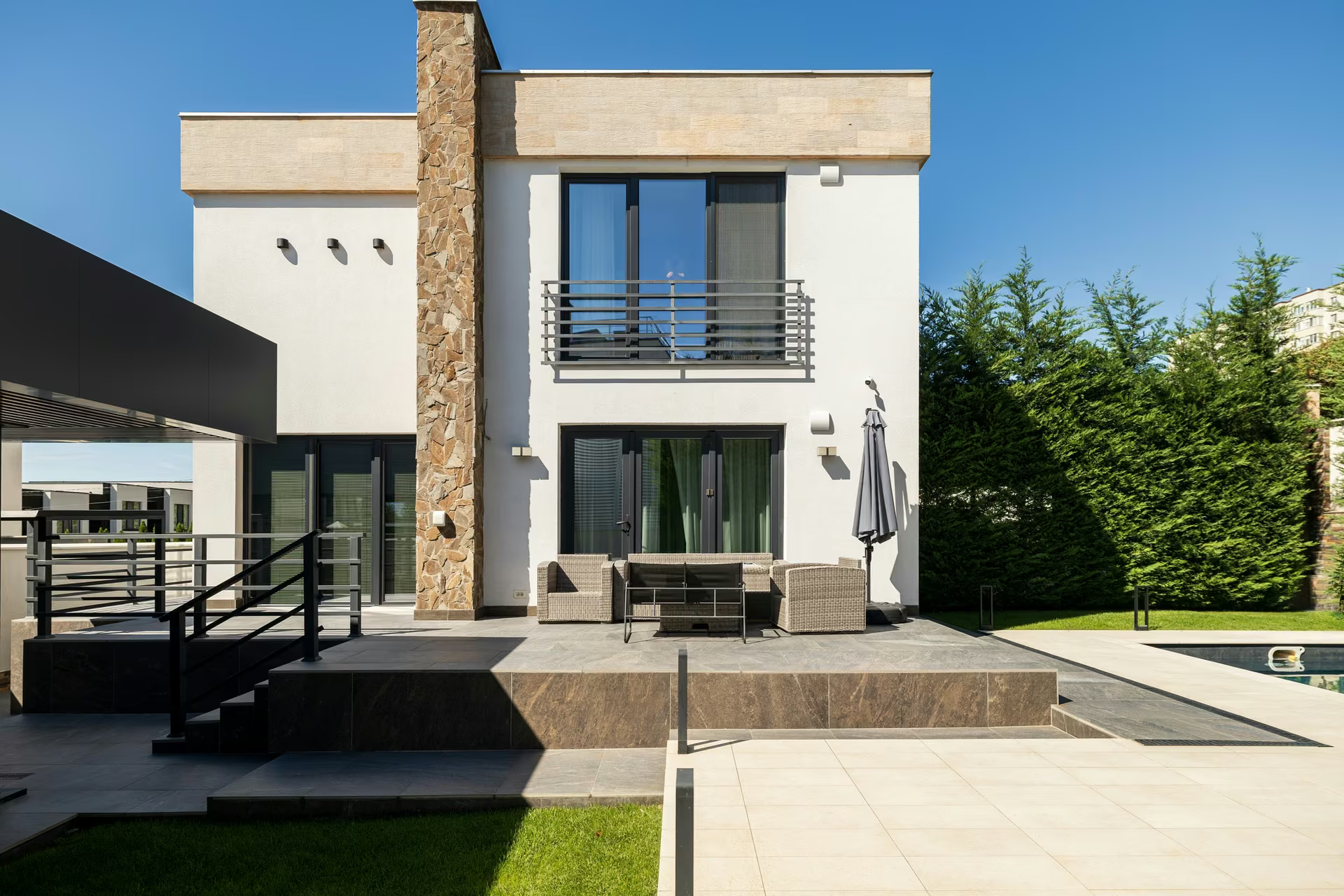
Aluminium is widely used in contemporary architecture, particularly where windows play an important role in the visual composition of the facade. Its strength and rigidity allow structures to be designed for generous openings and specific construction requirements.
In certain configurations, aluminium profiles can offer reduced visible frame proportions, leaving more space for glazing. This can be valuable for homes with tall windows, panoramic openings and a strong visual connection between interior spaces and the garden.
There is, however, an important distinction between uninsulated aluminium and thermally broken aluminium systems. Metal conducts heat rapidly, which makes an appropriate insulated system essential in heated residential buildings. A thermal break limits heat transfer between the exterior and interior parts of the frame.
Aluminium also offers a variety of durable finishes, including powder-coated and anodised surfaces, depending on the system. For projects where architectural expression, large dimensions and special configurations are priorities, it can be a particularly suitable choice.
Not all aluminium windows offer the same performance, however. The specifications must be confirmed for the proposed frame and glazing configuration.
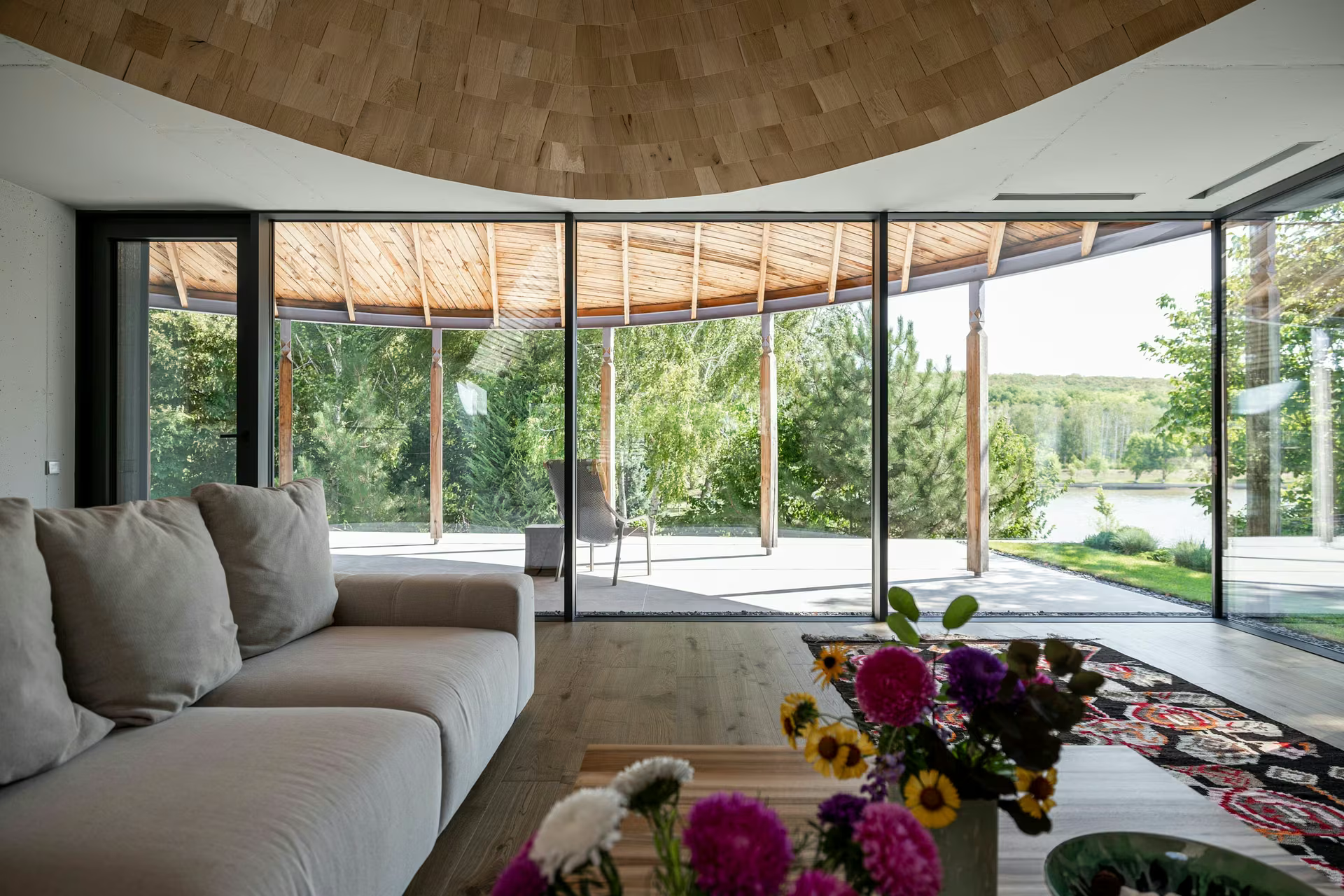
Which Insulates Better? Compare the Complete Window
Insulation is almost always a key question when homeowners compare PVC and aluminium. Yet the answer cannot be determined by the frame material alone.
One of the relevant indicators for a fair comparison is Uw, the thermal transmittance coefficient of the complete window. It includes the contribution of the frame, glazing and the area where the two meet. A lower Uw indicates less heat transfer through the window under comparable assessment conditions.
A well-configured PVC system can provide very good thermal performance. The same is true for a high-performance thermally broken aluminium system. It would be incorrect to assume that every PVC window insulates better than every aluminium window, or the other way around.
Glazing also matters: the number of panes, Low-E coatings, spacers and solar-control characteristics. For acoustic insulation, glazing configuration, airtightness and installation are also important.
In a home, comfort comes from the performance of the complete assembly, not from a single feature of the frame.
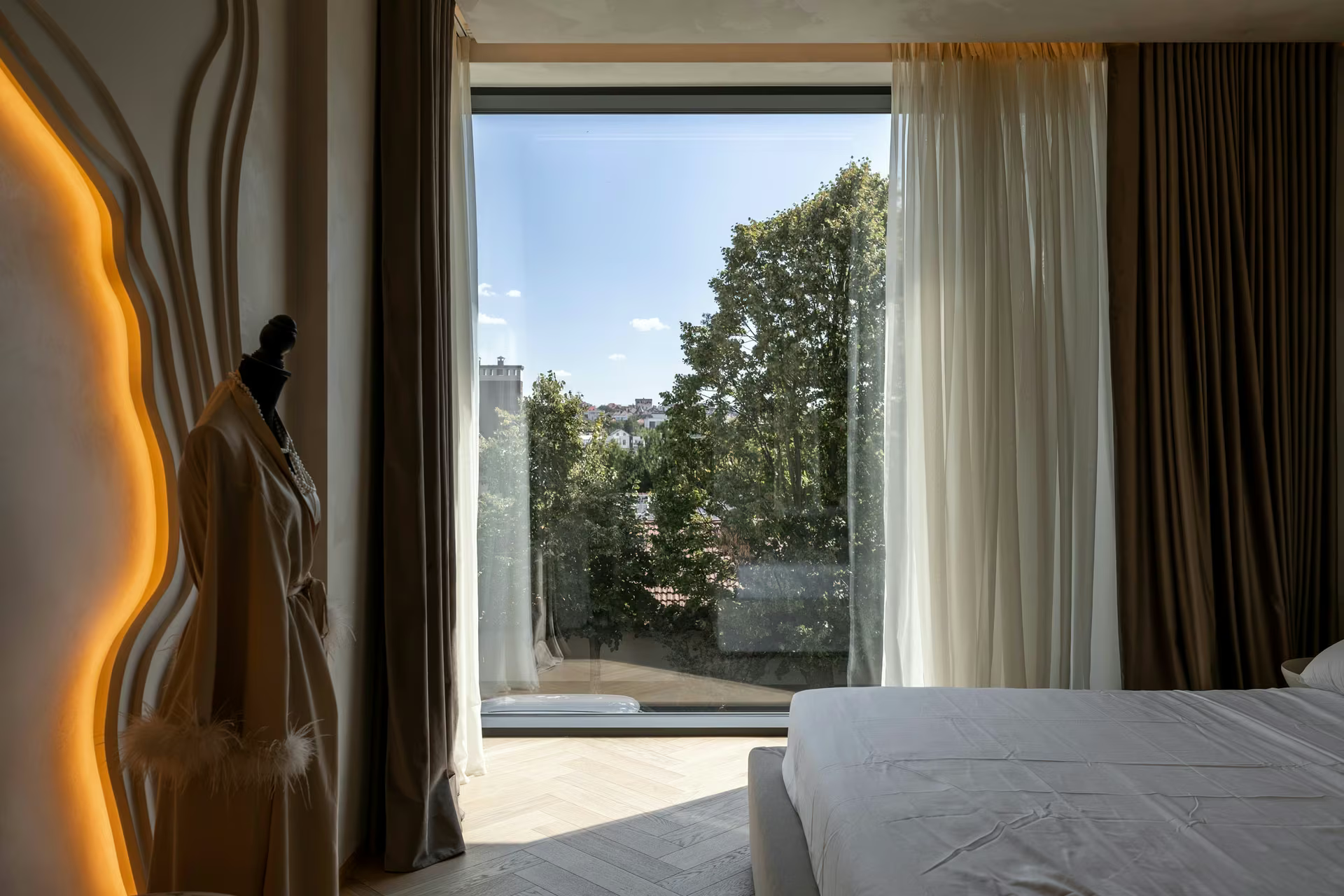
Cost, Maintenance and Design Change the Comparison
In many residential projects with conventional window sizes, PVC can have a more accessible initial cost than aluminium solutions with comparable features. But this is not a universal rule.
The price depends on the chosen system, dimensions, colour, hardware, glazing, manufacturing complexity and installation. A premium PVC system may cost close to certain aluminium configurations. This is why quotations should only be compared when their technical requirements are equivalent.
In terms of maintenance, both materials are relatively practical. PVC can be cleaned without periodic repainting, while aluminium with a suitable finish is valued for its stability and durability. In both cases, seals, hardware and drainage systems should be checked and maintained according to the manufacturer's recommendations.
Aesthetically, both materials offer a variety of colours and finishes. The difference is often found in frame proportions, construction possibilities and how the windows integrate into the architecture.
A lower purchase price does not automatically mean a better choice. Equally, a more expensive system does not guarantee that it is necessary for every window in the house.
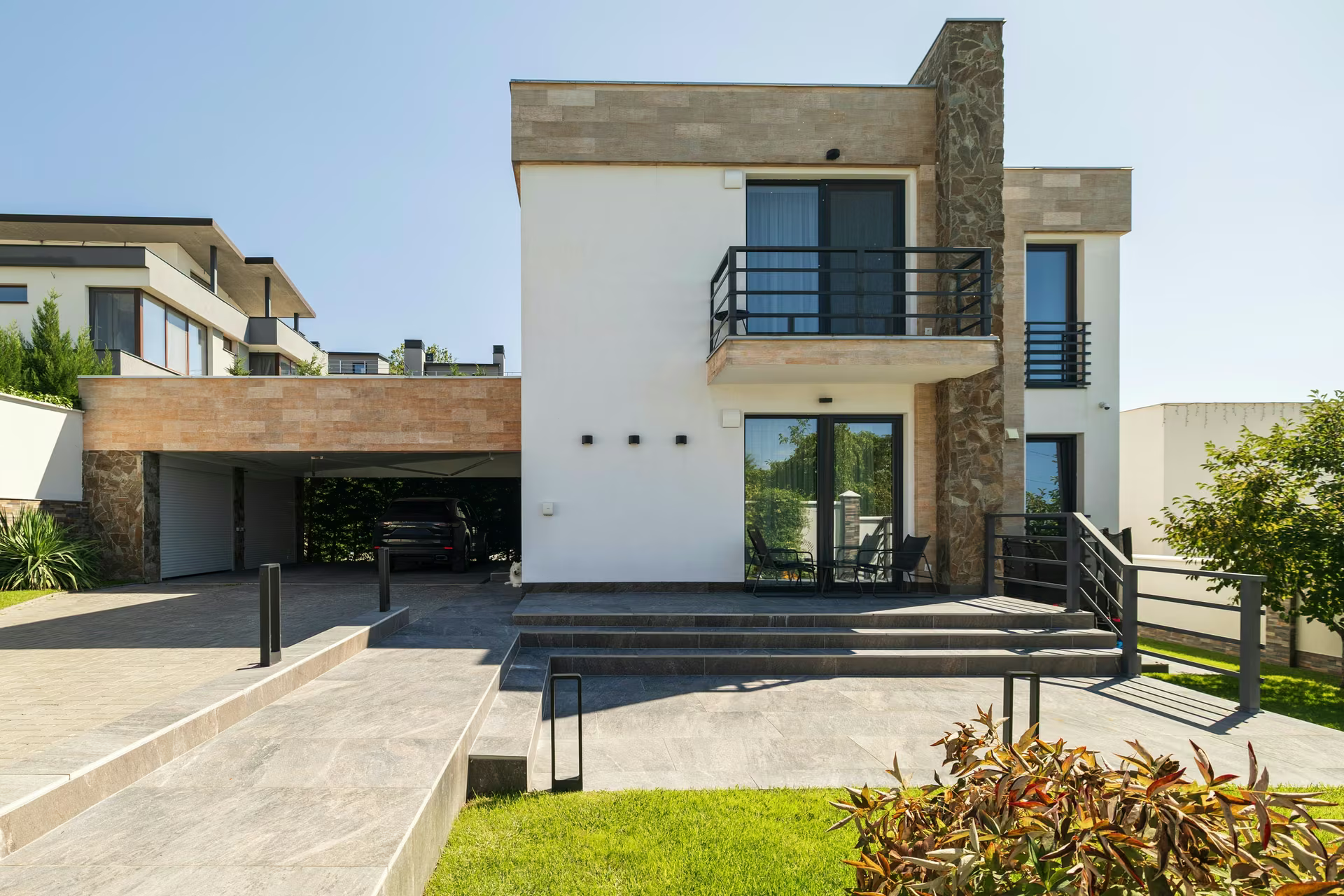
How to Choose Between PVC and Aluminium for Your Home
If your project includes windows with conventional dimensions and the main goal is a balance between thermal insulation, functionality and budget, a well-configured PVC system deserves consideration.
If the architecture involves large glazed surfaces, tall openings or specific requirements for rigidity and frame proportions, a thermally broken aluminium system may offer greater flexibility.
These are starting points, not absolute rules. A home can use PVC in some rooms and aluminium for panoramic openings, provided the solutions are compatible with the project and the intended architectural appearance.
Before ordering, ask for the complete window's Uw value, glazing specifications, system size limits, hardware details and installation approach. These criteria allow for a meaningful comparison beyond the material and the price.
For Plastregal, the starting point is the design of the home. Analysing the dimensions, the purpose of each room and the architectural objectives helps identify suitable systems for each opening.
Making the right choice is not about declaring one material the winner. It is about selecting windows that work coherently with the home, every day and over the long term.