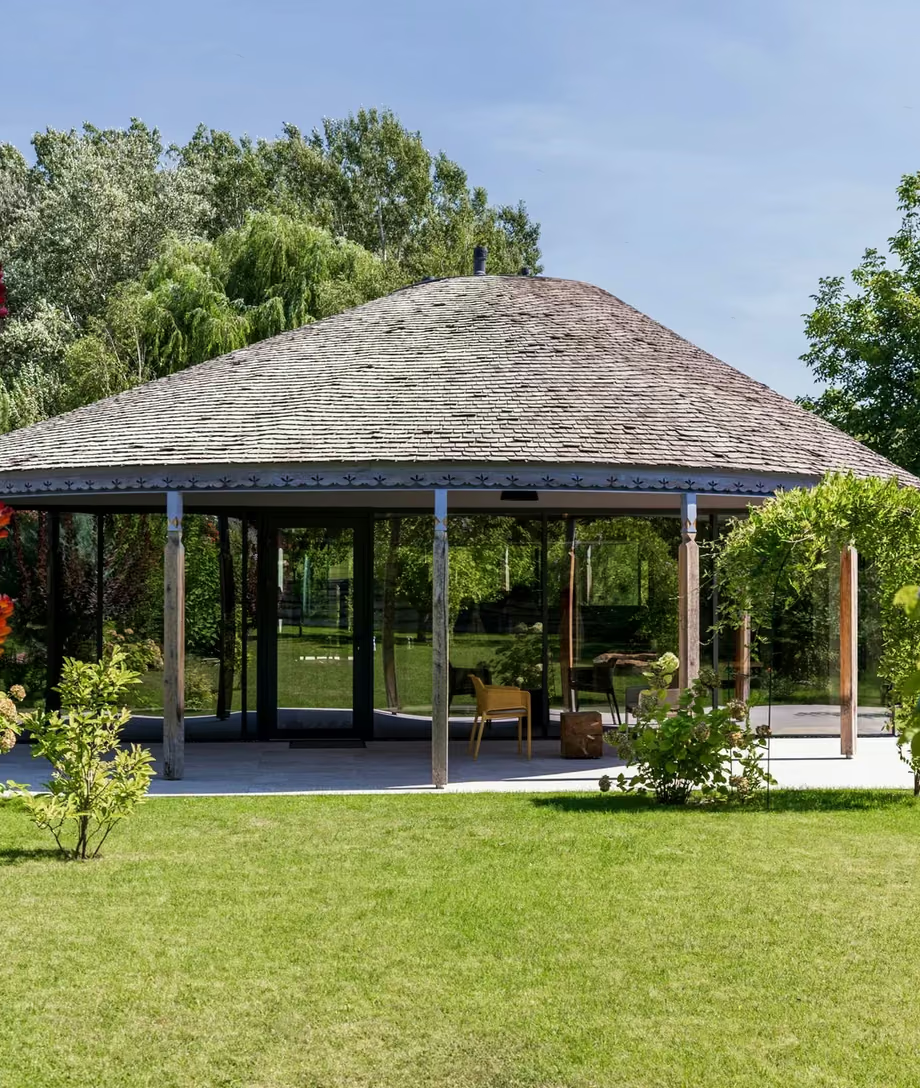
House by the Lake. Architecture open to the landscape.
Every room has its own needs for daylight and fresh air. A PVC window can remain fixed where the view matters most, or include an opening sash for ventilation and cleaning. In a bedroom, kitchen or living area, the position of the opening changes the way the space is used. The right choice depends on proportions, the orientation of the home and habits. Windows should therefore be selected for the needs of each room, not simply for the appearance of the façade.
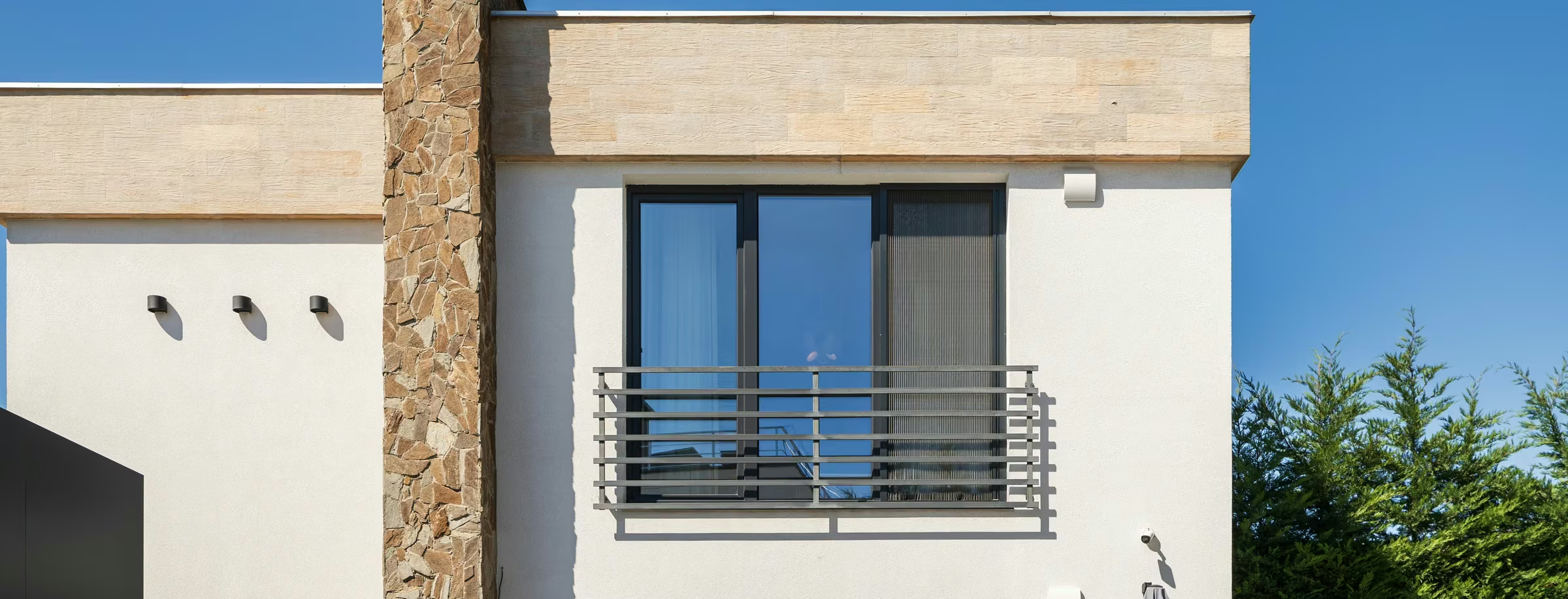
Not every room needs the same window opening. In a bedroom, regular ventilation may be important, while some panels in a larger glazed area can remain fixed. Tilt-and-turn windows offer two opening positions: one in which the sash swings inwards and another in which the top tilts into the room. The selected configuration affects access for cleaning, furniture placement and the way fresh air enters the space.
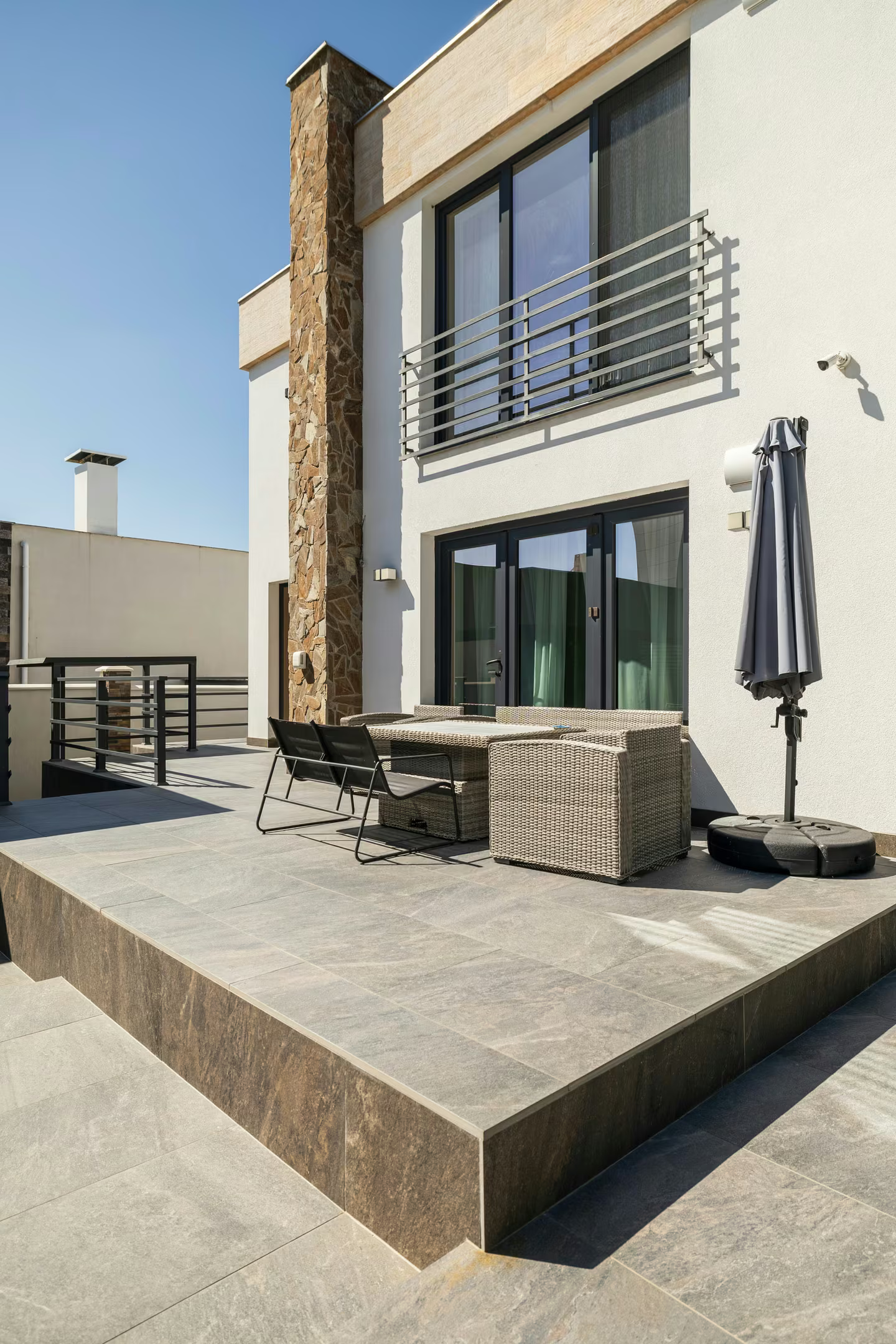
Profile depth and the number of chambers are only two aspects of a PVC window. Indoor comfort also depends on the glazing unit, sealing arrangement, sash reinforcement and installation quality. The PVC ranges previously documented by Plastregal include different profile depths and additional sealing solutions. These features need to be considered together, according to the window dimensions, building orientation and requirements of the room.
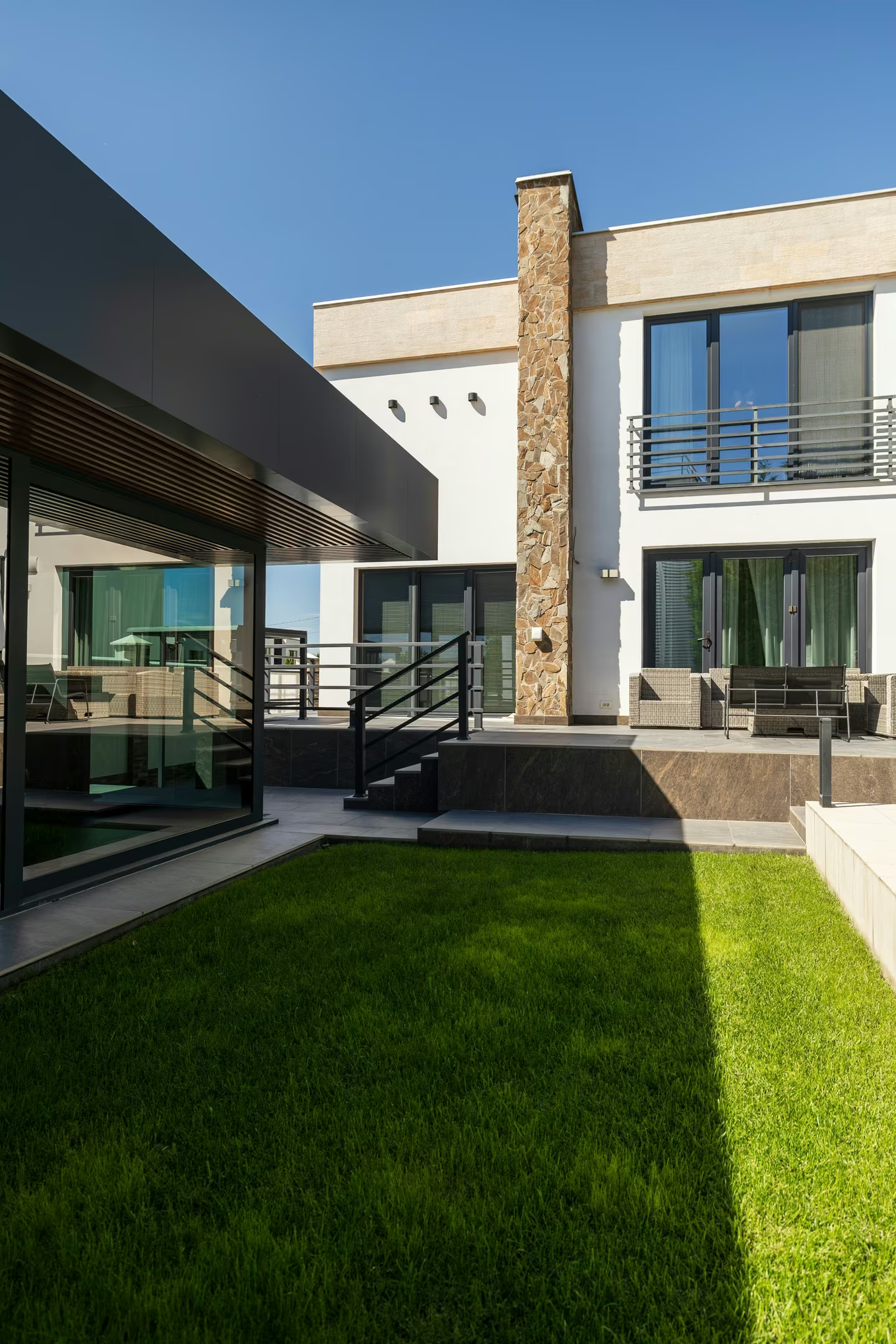
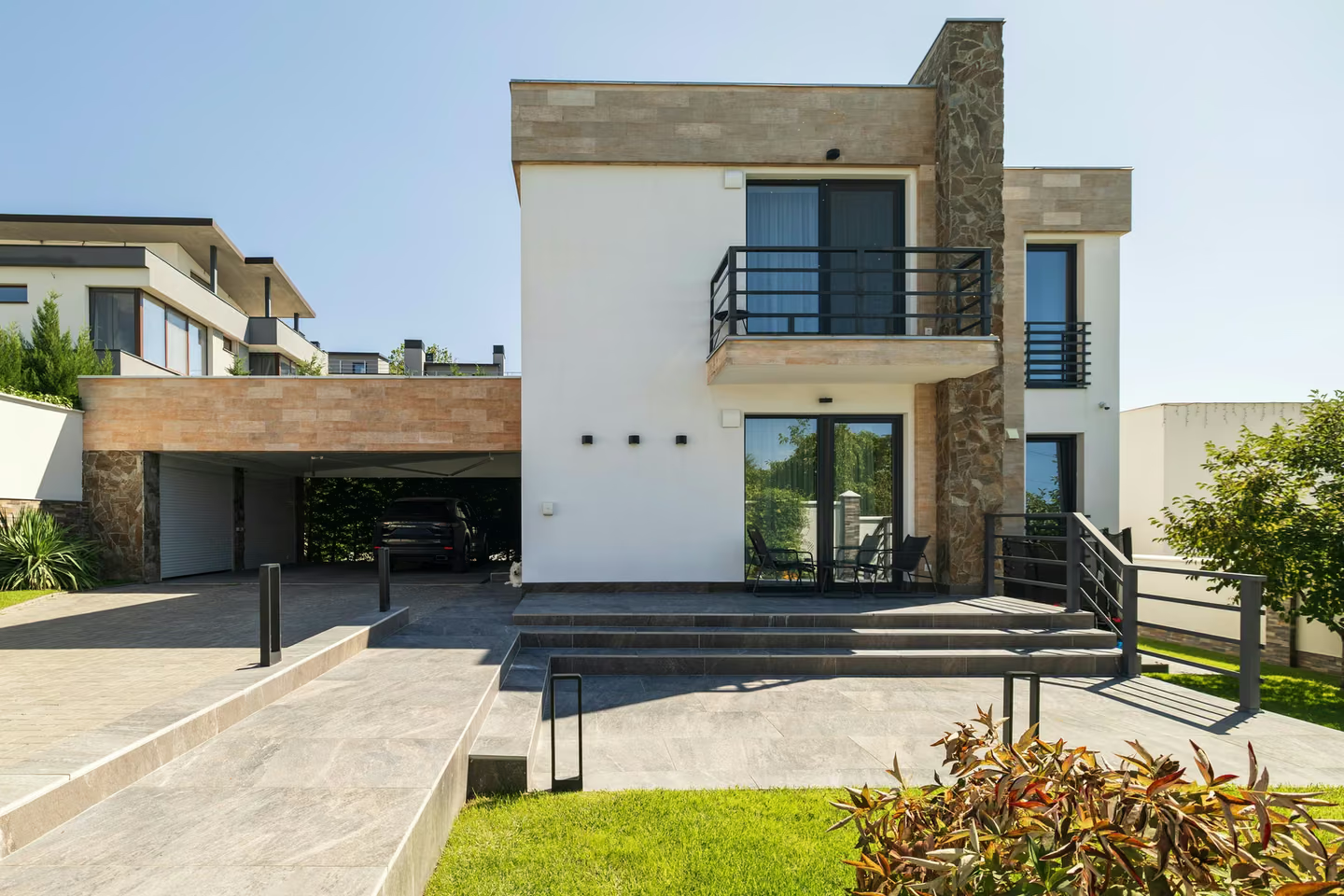
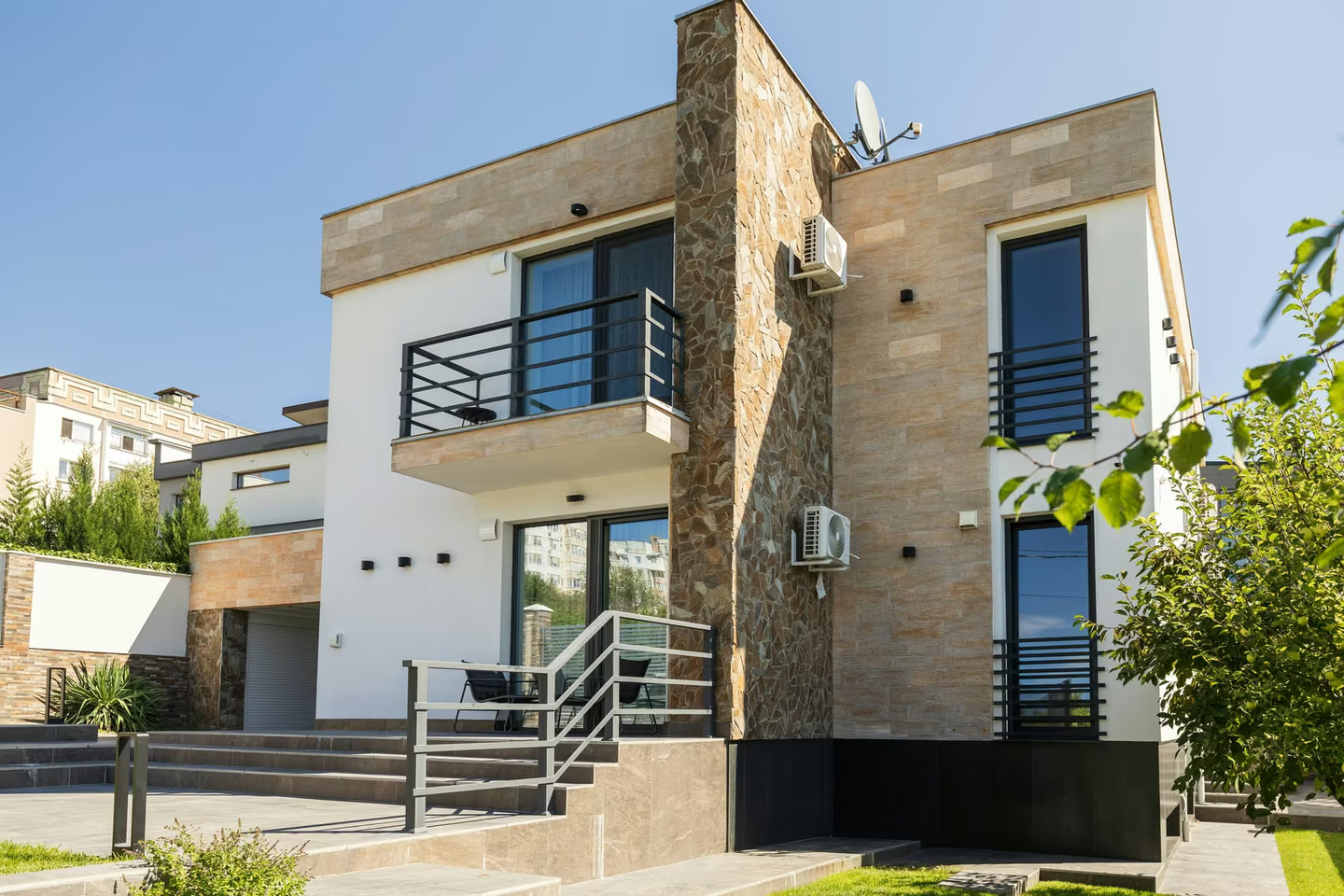
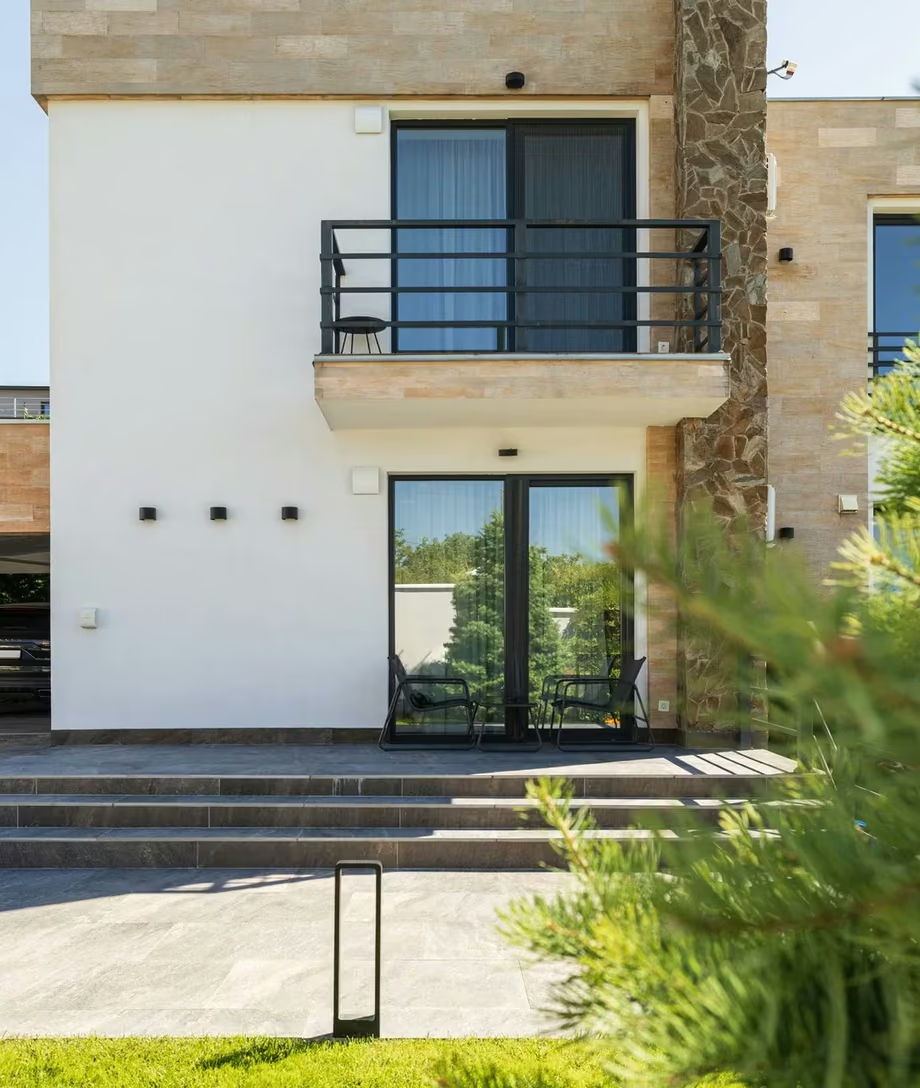
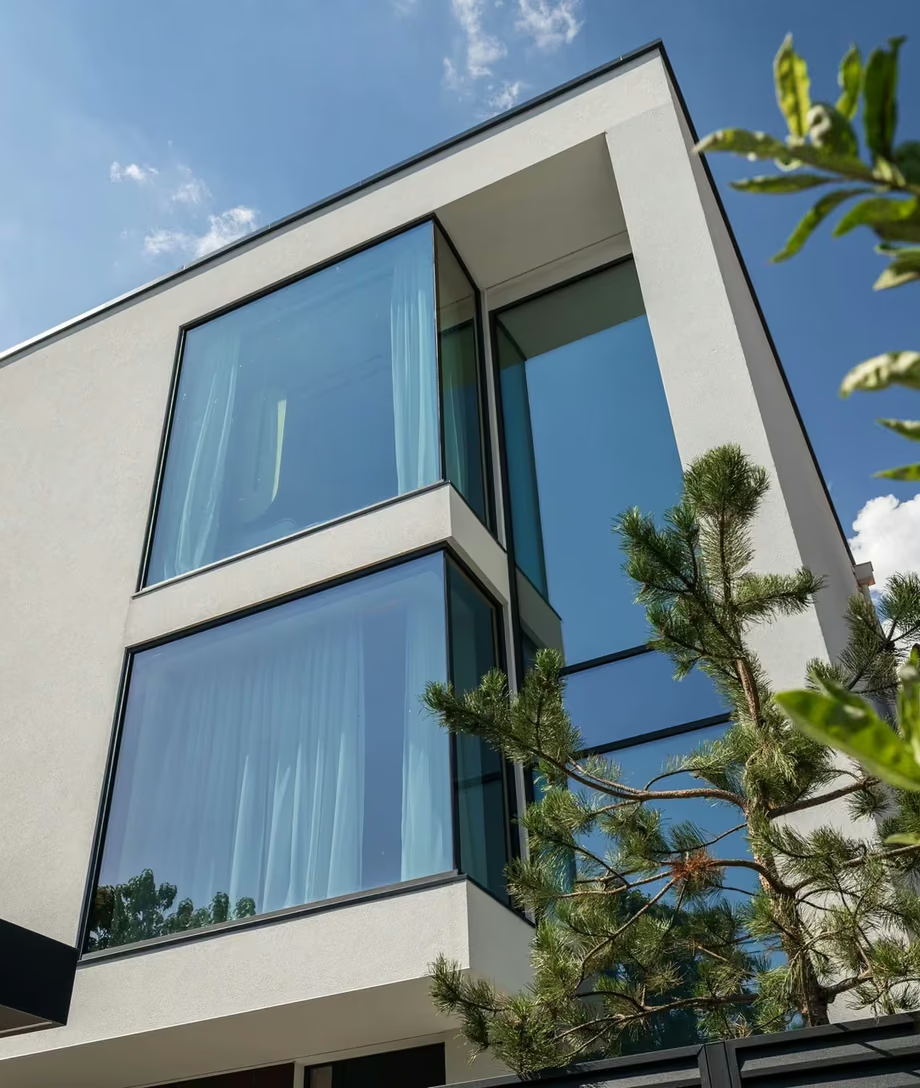
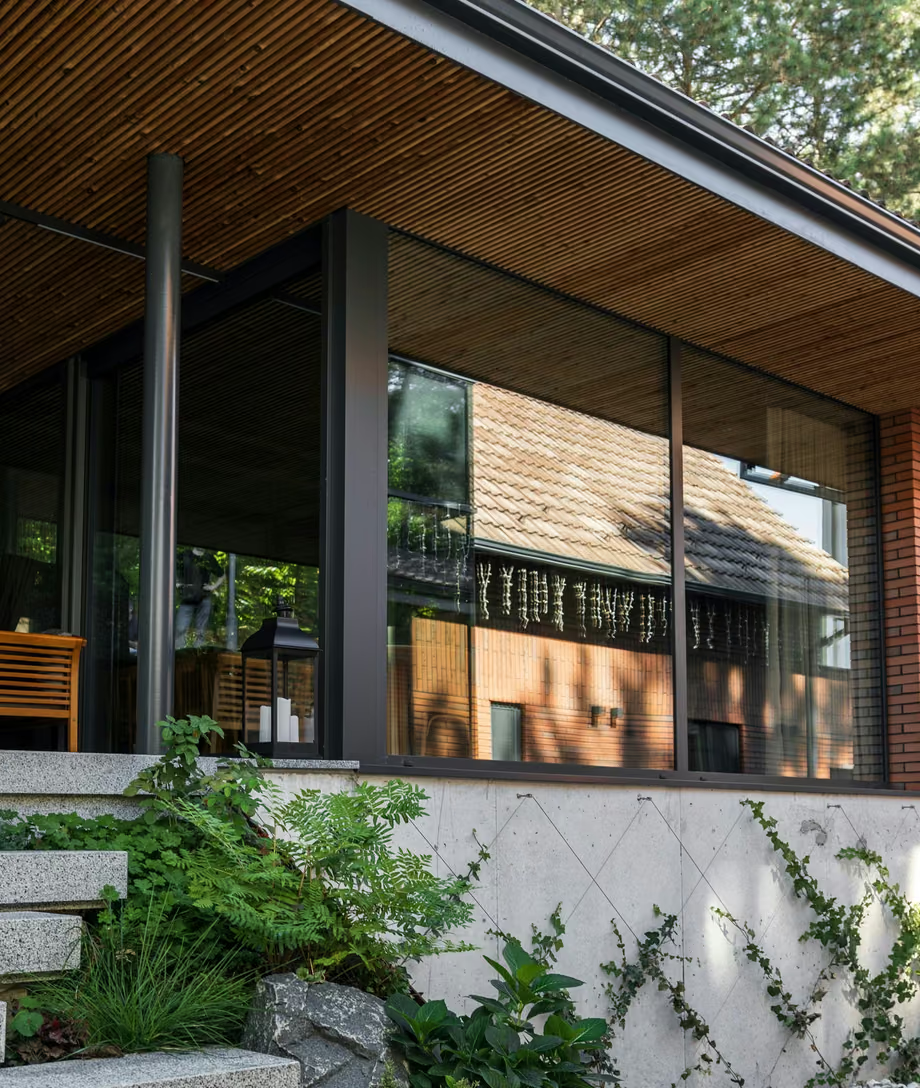
PVC windows can have different configurations within the same home. Fixed glazing may suit areas where opening is unnecessary, while a tilt-and-turn window offers more ventilation options. The choice of profile, glazing and hardware must be coordinated with the opening dimensions and conditions of use. This allows each window to serve its purpose without unnecessary compromises in the layout of the room.
We use cookies
We use cookies to improve your experience, analyze site traffic, and make our website work better.